
THE RIPPLE EFFECT PODCAST EPISODES

LATEST EPISODE
October 7, 2026
Giving Ourselves Grace
Season Two • Module Two: Grace • Episode 1
Episode Overview
Making Room for the Person We Are While Becoming Who We Want to Be
We tell other people to give themselves grace all the time.
But how often do we offer that same grace to ourselves?
In this solo episode of The Ripple Effect, Aimée turns the conversation inward—to the person doing the teaching, the human being underneath the role.
Teachers are extraordinarily practiced at extending compassion outward. We notice what students need. We make adjustments. We give another chance. We stay a little longer. And yet, we can hold ourselves to an entirely different standard—replaying mistakes, questioning whether we've done enough, and carrying an endless list of shoulds.
This episode asks what might change if grace became part of how we relate to ourselves—not as an excuse or an escape from accountability, but as a way of remaining human while we continue to grow.
Drawing on research on self-compassion and perfectionism, Aimée explores the inner critic, the pressure to do everything, the difficulty of accepting our limits, grace for the person we used to be, and why boundaries can sometimes be one of the most compassionate choices we make.
At the heart of the conversation is a simple idea:
We can be accountable for who we are becoming without being cruel to who we are today.
In This Episode
Aimée explores self-compassion and the inner critic; how perfectionism can disguise itself as caring; why there will always be more a teacher could do; common humanity and the isolation teachers sometimes experience; the relationship between grace and accountability; compassion for earlier versions of ourselves; boundaries as an expression of grace; and a simple practice for responding differently when the critical voice appears.
Rather than giving teachers another list of things to accomplish, the episode invites us to notice the voice we use with ourselves—and to ask whether honesty really requires cruelty.
Carry These Questions With You
Where am I asking perfection of myself when humanity would be enough?
What am I still punishing myself for that I might be ready to hold differently?
What would grace look like for me today—not when everything is finished, not when I've earned it, but today?
Resources & References
This episode draws particularly on psychologist Kristin Neff's work on self-compassion, including the three components of self-kindness, common humanity, and mindfulness, as well as research and discussion around perfectionism.
Greater Good Science Center - The Power of Self-Compassion
Greater Good - Why Self-Compassion Trumps Self-Esteem
Greater Good - The Five Myths of Self-Compassion
Harvard Gazette - The Perils of Perfectionism
🎧 Listen to the episode on Spotify
🎧 Listen to the episode on Apple Podcasts
Stay Connected
If this episode resonated with you, consider sharing it with another educator, counselor, administrator, or support professional who may need this reminder right now. Because when educators care for themselves, that care ripples outward into classrooms, relationships, schools, and communities.
Connect with Us
Website: www.therippleeffect.io
Instagram: @rippleeffect.teachers
Facebook: The Ripple Effect Podcast
Linktree: linktr.ee/rippleeffect.teachers
Disclaimer
The content shared on The Ripple Effect: Helping Teachers Thrive is for educational and informational purposes only. It is not intended as a substitute for therapy, counseling, medical advice, or mental health treatment. If you or someone you know is in crisis, please contact a licensed mental health professional or call 911 immediately. Always seek the guidance of a qualified provider with any questions you may have regarding your mental or emotional health.


SEASON 1: Module 1


Pilot Episode: Welcome to The Ripple Effect: Helping Teachers Thrive
The Ripple Effect is a podcast dedicated to helping educators reconnect with themselves, protect their energy, and create thriving classrooms.
In this pilot episode, host Aimee Donoho—educator, therapist, and advocate for teacher wellness—shares the story of how The Ripple Effect began. Born from the Aloha Connect program. This podcast was inspired by in-depth conversations with teachers and the realization that educator wellness must be addressed differently.
Why This Podcast Exists:
Post-pandemic education is different. Teacher stress is different.
We cannot offer our students safety, empathy, and presence if we don’t experience those things ourselves.
Caring for ourselves as educators isn’t selfish—it’s the foundation for everything we do.
What You’ll Hear in the Pilot:
How the Aloha Connect lunch-and-learn sessions brought teachers together for connection, learning, and laughter
Why nervous system awareness matters in teaching
The Four S’s (safe, seen, soothed, secure) and how they apply to educators
How small acts of self-regulation can transform school culture
Monthly Podcast Structure:
Each month will focus on one theme—such as Awareness, Grace, Gratitude, or Renewal—and feature:
Solo reflection from Aimee introducing the theme
Expert interview bringing science-based strategies
Real teacher’s story
Cultural/community perspective
Signature Question: Who was the teacher who made you feel seen, valued, or capable—and what would you say to them today?
🎧 Listen to the Pilot on Spotify
🎧 Listen to the Pilot on Apple Podcasts
💌 Subscribe for updates & resources
Module 1: Episode 1 – What Is Emotional Awareness and Why It Matters
In this episode, we explore emotional self-awareness—what it is, why it matters for educators, and how it connects to the nervous system. You’ll learn practical strategies for tuning into your body’s cues so you can respond with presence, empathy, and clarity.
💡 Tool of the Week: The 3-Minute Daily Check-In – a quick way to build awareness and reset throughout your day.
Resources Mentioned in This Episode:
Polyvagal Theory by Dr. Stephen Porges – Learn More
The Polyvagal Theory in Therapy by Deb Dana – Book Link
Anchored: How to Befriend Your Nervous System Using Polyvagal Theory by Deb Dana – Book Link
Deb Dana’s Clinical Resources – Rhythm of Regulation
Reticular Activating System (RAS) – Healthline Article
🎧 Listen to the Episode on Spotify
🎧 Listen to the Episode on Apple Podcasts
Additional Tools:
DBT House Worksheet – Mind Remake Project | Therapist Aid | Behavioral Tech
Nervous System Mapping –The Movement Paradigm
Module 1: Episode 2 – Seeing with the Witness: Self-Awareness and Compassion in the Classroom, with Special Guest Martha White MA, LMHC-NCC-Licensed Mental Health Counselor & Founder of Keala Kea Counseling
Martha White, clinician and mindfulness educator, introduces “The Witness”—a powerful concept for noticing without reacting. We explore how nervous system awareness and compassion work together to create safer, more responsive classrooms.
💡 Bonus: Practice a 1-minute Witness meditation during the episode.
🔗 Includes a link to Martha's article "The Witness" and more resources on her website.
🎧 Listen to the Episode on Spotify
🎧 Listen to the Episode on Apple Podcasts
Module 1: Episode 3 – Tide, Time, and Turtles: Self-Awareness through the Lens of Nature, with Special Guest Laura Jim
Science teacher and sea turtle researcher Laura Jim shares how the rhythms of the ocean helped her reconnect with herself during a season of burnout. Through nature, photography, and presence, she offers a grounded model of self-awareness in action.
🌊 Reflection prompts included: Ocean Awareness, Nature as Regulator.
📸 Follow Laura on Instagram: @laurajimphotography
🎧 Listen to the Episode on Spotify
🎧 Listen to the Episode on Apple Podcasts
Module 1: Episode 4 – Roots & Resilience – What Forests Teach Us About Ourselves, with Special Guest Kumu Kuwalu
Join host Aimee Donoho in conversation with cultural practitioner and kumu hula, Kumu Kuwalu. In this episode, they explore the power of ecological awareness, cultural wisdom, and nervous system grounding for educators. Kumu shares how hula and land-based practices have helped students reconnect to themselves and how educators can apply these principles in the classroom.
Includes:
Grounding breath practice guided by Kumu
Reflections on teaching through cultural identity and community care
A featured video clip: Forests as reflections of our societies
3 reflection prompts for classroom and personal use
🎧 Listen to the Episode on Spotify
🎧 Listen to the Episode on Apple Podcasts
SEASON 1: Module 2

Module 2: Episode I – The Science of Grace in Teaching: How Self-Compassion Protects Teachers from Burnout
Teaching is beautifully human—and often messy. Mistakes, misunderstandings, and overwhelming days are part of the work.
Without grace, these moments can spiral into self-criticism and burnout. With grace, we create space for forgiveness, renewal, and authentic connection.
In this solo episode, Aimee Donoho explores the science and practice of grace—drawing from psychology, neuroscience, and lived classroom experience. You’ll learn why grace matters for educators, how it supports nervous-system regulation and resilience, and two simple practices you can begin using right away.
🎧 Listen to the Episode on Spotify
🎧 Listen to the Episode on Apple Podcasts
💌 Subscribe for updates & resource

Module 2: Episode 2 – The Heart of Teaching: Grace, Connection, and Loving Every Student with Jo Piltz
In this episode of The Ripple Effect: Helping Teachers Thrive, host Aimee Donoho sits down with beloved educator Jo Piltz, who spent more than three decades teaching English and History at Hawai‘i Preparatory Academy.
Known for her calm strength and deep compassion, Jo shares how teaching became her calling—and how grace guided her through both joy and challenge. She reflects on what it means to love every student, even those who are hardest to reach, and how presence—not perfection—is the true foundation of meaningful teaching.
The Heart of Teaching invites educators to rediscover the power of connection, compassion, and resilience in the classroom.
🎧 Listen to the Episode on Spotify
🎧 Listen to the Episode on Apple Podcasts
💌 Subscribe for updates & resources


Module 2: Episode 3 – Grace as a Compass: Navigating Burnout and Boundaries with Compassion — A Conversation with Britta Eskey
Britta Eskey is the author of Initiations in Love, a spiritual memoir that explores transformation through life’s sacred rites of passage, and the host of the Initiations in Love podcast. She co-founded COR (Latin for “Heart”), a personal growth organization that has been serving individuals and communities for over 25 years.
COR offers transformational workshops, leadership trainings, and coaching programs — both in-person and online — that help people reconnect with their essential goodness and live from their deepest values. Its mission is to empower people to become skillful, embodied leaders who can compassionately guide others while living with courage, clarity, and heart.
Britta is a certified Compassion Cultivation Teacher, and one of the developers and instructors of the Cultivating the Heart course at Stanford University’s CCARE.
🎧 Listen to the Episode on Spotify
🎧 Listen to the Episode on Apple Podcasts
💌 Subscribe for updates & resources
Resources Mentioned
Britta Eskey & COR Experience: corexperience.com
Book: Initiations in Love by Britta Eskey – Buy the book
Podcast: Initiations in Love – Listen here
Instagram: @brittaeskey

Module 2: Episode 4 – Grace as Inclusion: Seeing Every Student in Their Wholeness
A conversation with Dr. Alain Sykes
In this insightful conversation, Dr. Alain Sykes invites us to rethink what grace truly means in education.
Grace isn’t passive—it’s a courageous act of inclusion, presence, and dignity that allows us to see every student in their wholeness.
Together, we explore how educators can honor differences, hold boundaries, and create spaces where both teachers and students feel seen and valued.
From practical insights on collaboration and classroom culture to reflections on self-grace and community care, this episode offers a grounding reminder: belonging begins with how we show up for one another.
In this episode:
What grace looks like in diverse classrooms
How to balance compassion with healthy boundaries
Ways to foster inclusion without burnout
The connection between grace, presence, and belonging
Whether you’re a teacher, counselor, or school leader, this conversation will leave you inspired to lead with curiosity, courage, and care.
🎧 Listen to the Episode on Spotify
🎧 Listen to the Episode on Apple Podcasts
💌 Subscribe for updates & resources
Resource Mentioned
Download the Grace Resource PDF for reflection prompts, journaling tools, and a link to Dr. Sykes’ Substack (subscriber access): alainsykes.substack.com.
SEASON 1: Module 3

Module 3: Episode 1 – The Science of Gratitude: How Appreciation Rewires the Nervous System
Gratitude isn’t just a nice idea — it’s a powerful form of neural training. In this solo episode, Aimée Donoho explores the science of how gratitude reshapes the brain, strengthens resilience, and helps teachers and caretakers stay grounded in connection and joy.
Drawing on research from UC Berkeley’s Greater Good Science Center and Harvard Health Publishing, Aimée shares her own daily gratitude ritual and the tangible benefits of practicing for just 2–5 minutes a day. You’ll also learn simple ways to weave gratitude into your classroom, relationships, and family traditions — including a collaborative Gratitude Tree activity you can start today.
Key Takeaway: Gratitude doesn’t erase difficulty - it reframes it.
It reminds us we’re part of something bigger.
🎧 Listen to the Episode ot on Spotify
🎧 Listen to the Episode on Apple Podcasts
💌 Subscribe for updates & resources

Module 3: Episode 2 – Gratitude and Regulation: Rewiring Stress into Connection
What if gratitude could do more than make us feel good—what if it could rewire the way we respond to stress?
In this conversation, host Aimée Donoho speaks with Dr. Hayley Watson, clinical psychologist, author, and founder/CEO of Open Parachute, a mental health program created to support MTSS in schools. about
Drawing on more than 20 years of experience, Dr. Watson explains how gratitude supports nervous system regulation and emotional resilience in schools. She delivers insights on how awareness, connection, and gratitude can help educators move from survival mode to a state of calm leadership—creating classrooms where both teachers and students feel safe and supported.
In this episode:
How gratitude shifts the brain and body toward calm
Why emotional safety for teachers drives student well-being
Practical ways to use gratitude for regulation and reflection
How guided conversations foster belonging and resilience
Learn more about Dr. Watson’s work and her bookFinding the Words: Empowering Struggling Students through Guided Conversations at openparachuteschools.com.
More about Dr. Hayley Watson
Finding the Words: https://www.amazon.com/Finding-Words-Empowering-Struggling-Conversations/dp/1394187149
🎧 Listen to the Episode on Spotify
🎧 Listen to the Episode on Apple Podcasts
💌 Subscribe for updates & resource
Module 3: Episode 3 – Gratitude in Action - Leading with Heart
In this episode, Aimée Donoho talks with longtime educator and district specialist Alana Haitsuka Fernandez about how gratitude can shape leadership, strengthen relationships, and sustain educators through challenging seasons. With 30 years in Hawai‘i’s public schools, Alana shares stories of connection, creativity, and the “extra moments” that defined her teaching journey — from mentoring students to building the Teen College Counselors program now replicated across West Hawai‘i.
Together, they explore how noticing what’s good, valuing community, and saying yes to meaningful opportunities help educators find balance and renewed purpose. Alana reminds us that gratitude isn’t just a feeling — it’s a way of moving through the world with presence, service, and heart.
Key themes:
• Teaching as a calling
• Gratitude as a lens for resilience
• Relationships at the center of learning
• The power of small “extra” moments
• Creativity and courage in education
• Sustaining yourself through hard seasons
Memorable insight:
“I don’t remember the grading or the paperwork — I remember the magical moments with students.”
🎧 Listen to the Episode on Spotify
🎧 Listen to the Episode on Apple Podcasts
💌 Subscribe for updates & resources
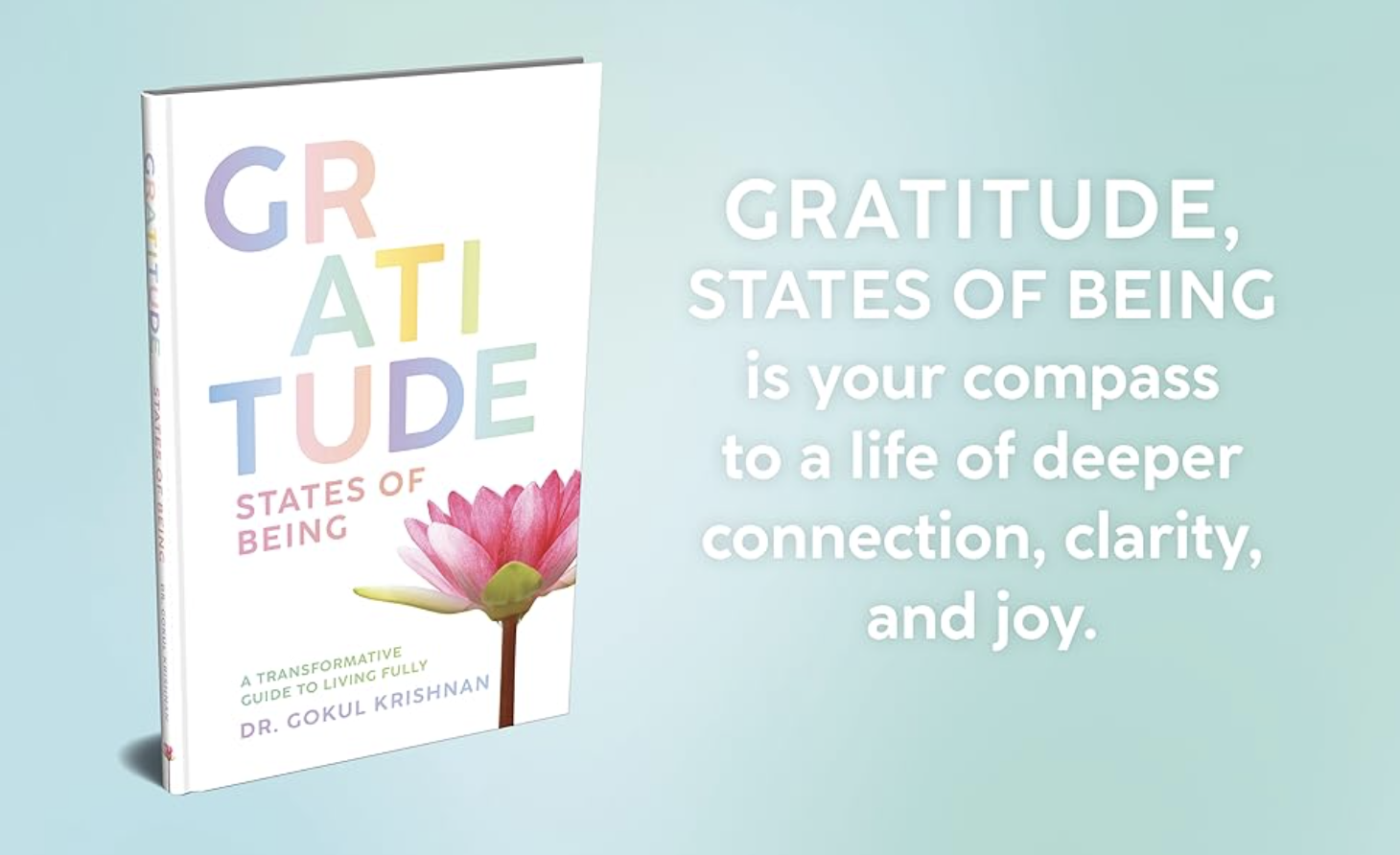
Module 3: Episode 4 – Living in Gratitude: A Conversation with Gokul Krishnan
In the episode, we explore gratitude not as a task, but as a way of being.
Dr. Gokul Krishnan, author of Gratitude - State of Being: A Transformative Guide to Living Fully, joins me for a powerful conversation about how gratitude can reshape our inner world, support our nervous system, and transform the way we show up as educators.
Together, we look beyond surface-level thankfulness and step into the deeper layers of awareness, embodiment, and connection that allow gratitude to live inside us - not just on the page.
What We Explore in This Episode
• How gratitude becomes a state of being, not a checklist
• The deeper “layers” or states of gratitude
• How awareness shifts us from scarcity to enoughness
• Embodiment: what gratitude feels like in the body
• Practices for teachers who are overwhelmed or burned out
• How gratitude strengthens classroom presence and co-regulation
• The relational and communal dimensions of gratitude
• What changes in our teaching when we live from gratitude
• A small, doable practice to bring gratitude into your day today
Why This Matters for Educators
Gratitude isn’t about pretending things are fine.
It’s about finding a steadier place to stand inside the real complexity of teaching.
When educators live in gratitude — not forced positivity, not performance — it supports:
• nervous system regulation
• emotional resilience
• the capacity to respond rather than react
• stronger relationships with students
• a calmer, clearer internal rhythm
This episode offers a grounded, science-informed, heart-centered look at how gratitude can support teachers from the inside out.
About Dr. Gokul Krishnan
Dr. Krishnan’s work invites readers into a deeper understanding of gratitude as a transformative inner state that shapes how we teach, lead, and live. Recognized by Forbes as one of the “16 Healthcare Innovators You Should Know,” he is the creator of Maker Therapy, a pioneering initiative supporting pediatric patients and families, and recipient of the White House Honorary Maker Award. Gokul has also led global neuroinclusion programs at Google, designing environments where everyone feels valued and empowered.
His work, featured on NPR, CBS, and Fast Company, blends behavioral science with deep compassion to foster connection and well-being. In his book Gratitude: States of Being, Gokul shares insights drawn from his global journey, professional experience, and the powerful stories of those he has met along the way. He believes gratitude is the spark that lights the way—even in the darkest times.
🎧 Listen to the Episode on Spotify
🎧 Listen to the Episode on Apple Podcasts
Gratitude – States of Being: A Transformative Guide to Living Fully
💌 Subscribe for updates & resources

Module 4: Episode 1 – Holidays & Self-Care – Rest, Rituals, and Reflection
December carries a unique kind of weight for educators - emotional, physical, sensory, and relational.
In this gentle solo episode, Aimée offers a grounding message for teachers who are tired, stretched thin, or simply ready for a pause.
This episode is an invitation to treat rest not as a luxury, but as meaningful work - the kind of work that restores the nervous system, refills what has been depleted, and reconnects us to our humanity.
This Episode Covers:
• A soft recap of Awareness, Grace, and Gratitude
• Why repetition in the podcast is intentional and integrative
• Seeing teachers as professionals who already hold this wisdom
• The emotional and sensory weight of December
• Aimée’s personal plan for slowing down
• Three friends sharing their own holiday self-care practices
• A gentle reminder about boundaries during the holidays
Why It Matters
• Rest is not earned - it’s necessary
• Rest is part of emotional regulation
• Rest strengthens presence and clarity
• Rest prepares teachers for the new year with steadiness instead of depletion
Reflection Questions for Listeners
• What can I put down for now?
• What needs my attention?
• What no longer needs my energy?
• Where can I soften my expectations of myself?
• What ritual helps me return to myself?
🎧 Listen to the Episode on Spotify
🎧 Listen to the Episode on Apple Podcasts
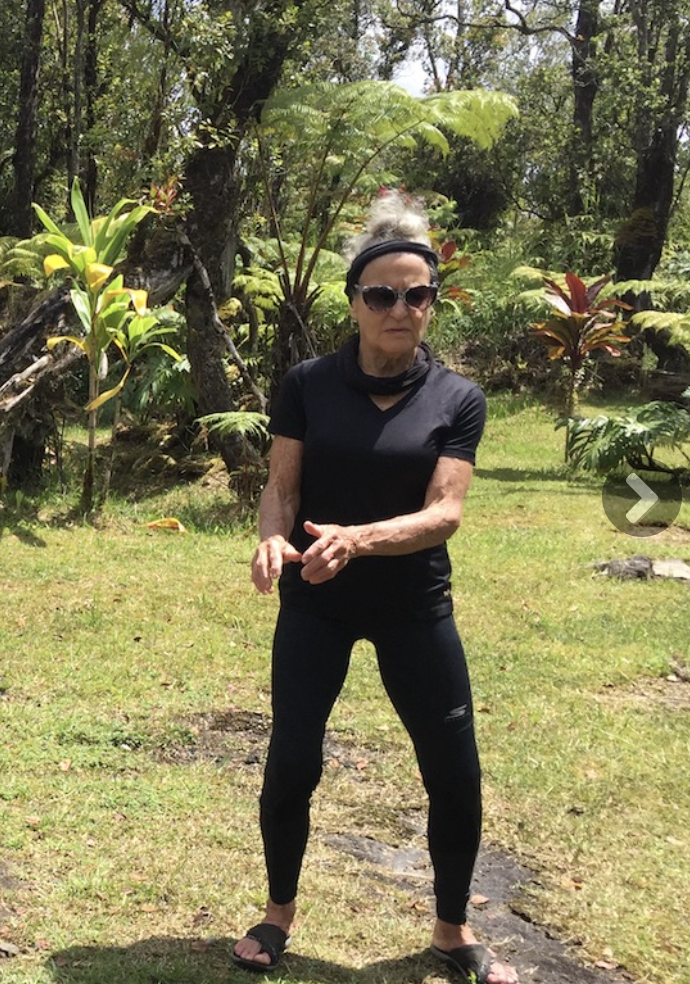
Module 4: Episode 2 – A Life in Motion: Hannah Hedrick on Sustainable Self-Care, Joy, and Living Well
In this final episode of 2025, Aimée sits down with 86-year-old movement teacher Hannah Hedrick, whose seven decades of teaching have shaped generations of students. Hannah shares the rituals, rhythms, and gentle practices that have allowed her to remain grounded, joyful, and deeply connected through the changing seasons of her life.
Together, they explore:
How movement evolves as we age
Common misunderstandings about self-care
Gentle practices that support nervous system regulation
Grounding rituals for stressful or demanding seasons
Ways to cultivate steadiness, presence, and joy over time
Reflections on aging, longevity, and living well
This conversation is for anyone feeling stretched thin, craving calm, or seeking inspiration from someone who has lived a life anchored in intention, care, and service.
🎧 Listen to the Episode on Spotify
🎧 Listen to the Episode on Apple Podcasts
💌 Subscribe for updates & resources
Module 5: Episode 1 – Intentions, Not Just Goals: Grounding in Times of Transition
January often arrives with pressure—to reset, improve, and push forward.
But for many educators, this season feels tender, unfinished, and heavy with what the first half of the year has already required.
This short, intentional solo episode offers a pause.
Not a plan.
Not a push.
Instead, it invites you to slow down, listen inward, and reconnect with yourself at the start of a new year.
In this episode, you’ll explore:
Why January can feel emotionally different for educators
The difference between goals and intentions—and why intentions support resilience
Simple grounding practices for times of transition
Reclaiming identity beyond productivity and survival mode
This episode is designed to meet you where you are—without asking more of you.
Looking ahead:
Next week’s conversation with Mitch Matthews shifts from grounding into gentle expansion, exploring permission to dream, grow, and imagine what’s possible from a steadier place.
You don’t need to reinvent yourself.
You are allowed to begin again with care.

Module 5: Episode 2 – The Big Dream Starts Inside: Intention, Purpose, and New Beginnings with Mitch Matthews, host of the Dream Think Do podcast
January often carries both hope and heaviness. The calendar turns, but our nervous systems don’t always follow.
In this episode of The Ripple Effect: Helping Teachers Thrive, Aimee Donoho sits down with Mitch Matthews for a grounded January conversation—one that shifts the focus away from pressure, performance, and perfection, and toward permission, intention, and identity beyond productivity.
Mitch shares how sustainable growth begins inside, why dreaming can feel uncomfortable (especially for educators and caretakers), and how small, intentional steps can support meaningful change without burnout.
This conversation is an invitation to slow down, listen inward, and begin again with care.
What You’ll Hear in This Episode
The personal moment that shifted Mitch from survival to intention
The difference between goals and dreams—and why both matter differently
Why January pressure can disconnect us from purpose
Permission as the quiet work of becoming
Navigating fear and perfectionism with small, sustainable steps
Curiosity, rest, and joy as essential supports for well-being
A simple practice for staying aligned with intention throughout the year
A PDF resource page is included with this episode, offering gentle reflection prompts and tools to support dreaming and intention without pressure or perfection.
The resource can be used:
individually
with colleagues
with family
or with students
A Closing Invitation
This episode reminds us that a big dream doesn’t have to be loud, public, or fully formed. Sometimes it begins with permission—permission to imagine, to rest, and to take the next small step with intention.
Your dreams matter because you matter.
🎧 Listen to the Episode on Spotify
🎧 Listen to the Episode on Apple Podcasts
💌 Subscribe for updates & resource
Module 6 - Episode 1 — February L.O.V.E.
Listen: The Power of Presence and Co-Regulation
February is often framed as a month about love—romance, appreciation, or positivity.
That’s not what this series is about.
In this opening episode of the February L.O.V.E. series, love is explored as a practice—something lived, embodied, and relational. Rather than asking educators to give more, this conversation invites a different starting point: listening as presence.
This episode explores how listening creates safety, steadiness, and sustainable connection—for ourselves and for those we lead.
In this episode, you’ll explore:
Listening as an active form of presence, not passivity
How nervous-system awareness expands choice and agency
Why behavior is information—not the problem
Co-regulation as a leadership skill, not a “soft skill”
February’s L.O.V.E. Framework
Listen · Observe · Value · Empower
Each episode builds capacity slowly, week by week—offering practices educators can return to in real time.
Reflection
Before listening outward today, pause and ask:
What is my nervous system communicating right now?
No fixing.
No judging.
Just noticing.
When teachers thrive, the ripple effect is real, lasting, and human.
Resources & Influences
The Polyvagal Theory — Stephen W. Porges
Anchored — Deb Dana
Polyvagal Exercises for Safety and Connection — Deb Dana
Beyond the Behavior — Mona Delahooke
The Whole-Brain Child — Daniel J. Siegel & Tina Payne Bryson
🎧 Listen to the Episode on Spotify
🎧 Listen to the Episode on Apple Podcasts
💌 Subscribe for updates & resources
Module 6, Episode 2 - L.O.V.E.
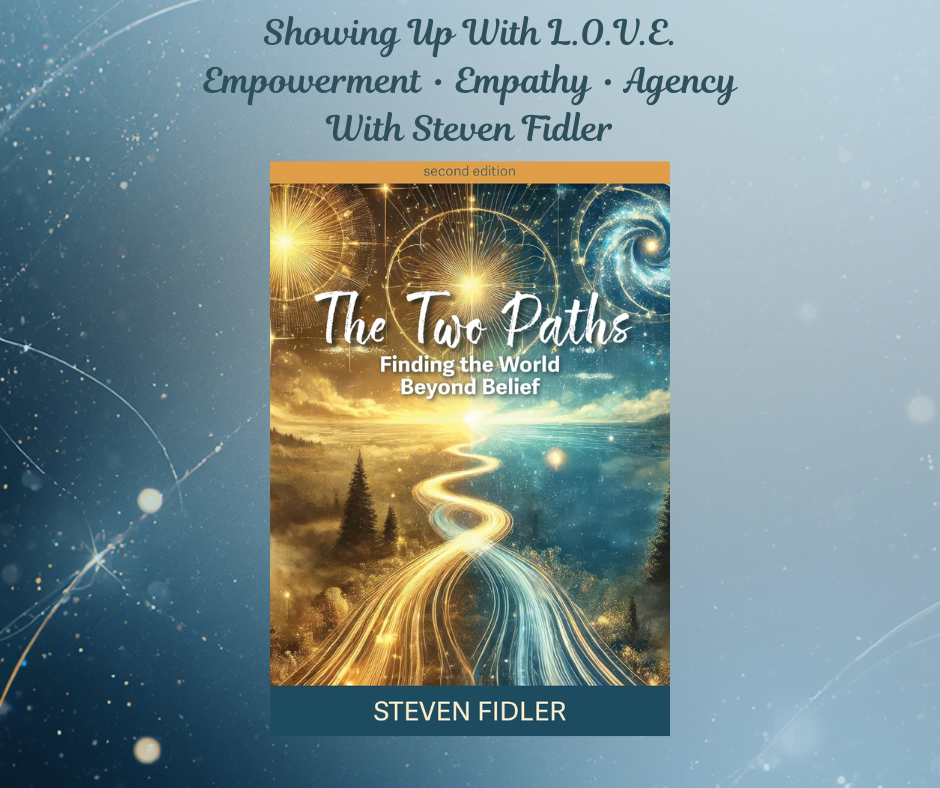
Showing Up With Love: Empowerment, Empathy, and Agency
With Steven Fidler
Episode Summary
Sometimes the most meaningful conversations begin during vulnerable seasons.
In this episode of The Ripple Effect, Aimee Donoho sits down with Steven Fidler, author of The Two Paths: Finding the World Beyond Belief, to explore what empowerment truly looks like — not as motivation or fixing, but as trust.
This conversation moves beyond theory and into lived practice:
How do we support others without taking away their agency?
How does self-criticism live in the nervous system?
What does embodied self-love have to do with leadership in classrooms and communities?
For educators and caretakers, this episode offers a grounded reflection on how love becomes powerful when it preserves dignity.
In This Episode, We Explore:
• The difference between believing you love yourself and actually experiencing it
• Recognizing inner patterns and reclaiming choice
• Why slowing down is essential for nervous system regulation
• Empowering without controlling
• Empathy across cultures and lived experience
• Collective care that doesn’t lead to burnout
Why This Conversation Matters for Educators
Educators are natural helpers.
But when care turns into control — even unintentionally — trust can erode.
Empowerment asks something different:
Stand beside instead of in front
Offer support without replacing agency
Trust that growth unfolds through safety, not pressure
When teachers practice empowered love, they model resilience, dignity, and self-trust for their students.
Reflection for Listeners
Consider:
Where do I feel the urge to fix?
What shifts when I trust someone’s capacity instead?
Empowerment doesn’t require doing more.
It requires noticing more.
About Steven Fidler
Steven Fidler is the author of The Two Paths: Finding the World Beyond Belief, a book exploring the inner journey from self-judgment and conditioned belief toward embodied awareness and agency.
His work invites readers to move from intellectual understanding into lived experience — especially in moments where self-criticism and fear feel loud.
Learn more about Steven and his book below.
Resources & Links
The Two Paths: Finding the World Beyond Belief - Link to buy the book
Final Reflection
Empowerment doesn’t come from doing more for others.
It grows when we trust what is already alive within them — and within ourselves.
When teachers thrive, the ripple effect reaches farther than we may ever see.
🎧 Listen to the Episode on Spotify
🎧 Listen to the Episode on Apple Podcasts
💌 Subscribe for updates & resources
Module 7, Episode 1 - Reconnect
Finding Rhythm Before the Final Stretch
March can feel like an unusual moment in the school year.
For many educators, it’s not quite the middle anymore. The end of the year is visible on the horizon — May, sometimes June — but there is still meaningful work ahead.
March becomes the long pull toward the finish line.
And that’s exactly why this month’s theme on The Ripple Effect is Reconnect: Rediscovering Purpose, Belonging, and Shared Care.
In this opening episode of the March series, Aimee reflects on the importance of finding rhythm before the final stretch of the school year intensifies.
Rather than asking educators to push harder, this conversation invites a pause — a moment to reconnect with your nervous system, your purpose, and the steady pacing that allows meaningful work to continue without burnout.
Because the final stretch of any long effort is rarely powered by adrenaline.
This episode explores how reconnection can help educators maintain steady pacing and emotional regulation during demanding seasons.
Reconnection now shapes how we arrive at the end of the year.
🎧 Listen to the Episode on Spotify
🎧 Listen to the Episode on Apple Podcasts
💌 Subscribe for updates & resources

Module 7, Episode 2 - Belonging in the Body: Identity, Repair, and Reconnection
Guest: Angelica Cardenas, LMFT
In this episode of The Ripple Effect: Helping Teachers Thrive, Aimee Donoho speaks with Angelica Cardenas, LMFT, Director of Student Wellness at Crystal Springs Uplands School.
Angelica’s work bridges healing justice, somatic awareness, and culturally responsive wellness in schools. Together, we explore how identity and lived experience shape the way students and educators experience safety, connection, and belonging in educational spaces.
Belonging is often discussed as a social goal in schools, but this conversation looks deeper—at how belonging is felt in the body. When identity is acknowledged and respected, the nervous system can settle. When identity is ignored or misunderstood, stress and disconnection often follow.
As the school year moves into its final stretch, this conversation invites educators to reflect on how reconnection, repair, and shared care support both personal well-being and healthy learning communities.
In This Episode We Explore
• How identity influences nervous system safety
• Why belonging is both a social and physiological experience
• The emotional labor educators carry around identity and representation
• What identity fatigue can look like for students and educators
• How practices of repair help restore trust and connection in school communities
• Ways educators can reconnect to purpose while navigating end-of-year demands
Key Reflection
Belonging is not only something we create through policies or programs.
It is something people feel in their bodies when they know they are seen, respected, and safe to be themselves.
When educators cultivate environments of dignity and care, they support not only learning—but regulation, trust, and long-term well-being.
Guest Bio
Angelica Cardenas, LMFT is a licensed marriage and family therapist whose work centers on healing-centered engagement, somatic awareness, and culturally responsive wellness. She supports students and educators in exploring identity, belonging, and emotional safety within school communities. Her approach integrates mental health, community care, and reflective practice to help create environments where people feel seen, supported, and connected.
Reflection Questions for Educators
You may wish to reflect on:
• When do I feel most connected to my work as an educator?
• What helps my nervous system settle during demanding times of the year?
• How can I contribute to a school culture where identity feels respected and safe?
Closing Thought
When educators feel seen and supported, the ripple extends far beyond the classroom, touching students, colleagues, and entire communities.
🎧 Listen to the Episode on Spotify
🎧 Listen to the Episode on Apple Podcasts
💌 Subscribe for updates & resources
🌐 Connect with Us
🌸 Website:www.therippleeffect.io
📸 Instagram:@rippleeffect.teachers
💙 Facebook:The Ripple Effect Podcast
🔗 Linktree:linktr.ee/rippleeffect.teachers

Module 7, Episode 3 - We Paddle Together: Reconnection, Responsibility, and the Wisdom of the Waʻa
Guest: Pualani Lincoln Maielua
In this episode of The Ripple Effect: Helping Teachers Thrive, Aimee sits down with Pualani Lincoln Maielua , a kumu of Hawaiian Studies, to explore what educators can learn from the practice and philosophy of the waʻa, the voyaging canoe.
As the school year enters its final stretch, many educators are carrying fatigue, pressure, and the quiet weight of responsibility. This conversation offers a different lens: one rooted in rhythm, shared effort, and deep relational awareness.
Through the wisdom of paddling, voyaging, ancestral wisdom, and cultural practice, Pua invites us to reconsider how we move through demanding seasons, not alone, but together. While taking care of ourselves.
What This Conversation Offers
This episode is not about doing more.
It is about remembering how to move differently.
Listeners are invited to reflect on:
What it means to share responsibility rather than carry everything alone
The importance of attunement to self, others, and environment
How cultural practices hold wisdom for modern-day stress and burnout
The role of trust, presence, and collective care in community spaces
Key Themes
1. We Are Not Meant to Paddle Alone
Teaching can often feel isolating, especially during high-demand times. The waʻa reminds us that movement happens through shared effort. Each person has a role, and no one carries the entire canoe.
2. Rhythm Over Urgency
In paddling, success does not come from speed or force—but from consistency and alignment. The same is true for educators navigating the final months of the school year.
3. Responsibility as Collective Care
Responsibility is not about over-functioning. It is about knowing when to lead, when to follow, and how to support the whole.
4. Attunement to Environment
Voyaging requires awareness of wind, ocean, and direction. In schools, this translates to noticing energy, emotions, and what is needed in the moment.
5. Cultural Wisdom as Regulation
Indigenous practices offer more than knowledge, they offer ways of being that support grounding, connection, and sustainability.
A Gentle Reminder
You do not have to carry everything to the end of the year.
There is another way to move
one that is steady, shared, and grounded in connection.
We paddle together.
Listen & Continue the Conversation
This episode is part of the March: Reconnect series, supporting educators in rediscovering rhythm, belonging, and shared care during the final stretch of the school year.
🎧 Listen to the Episode on Spotify
🎧 Listen to the Episode on Apple Podcasts
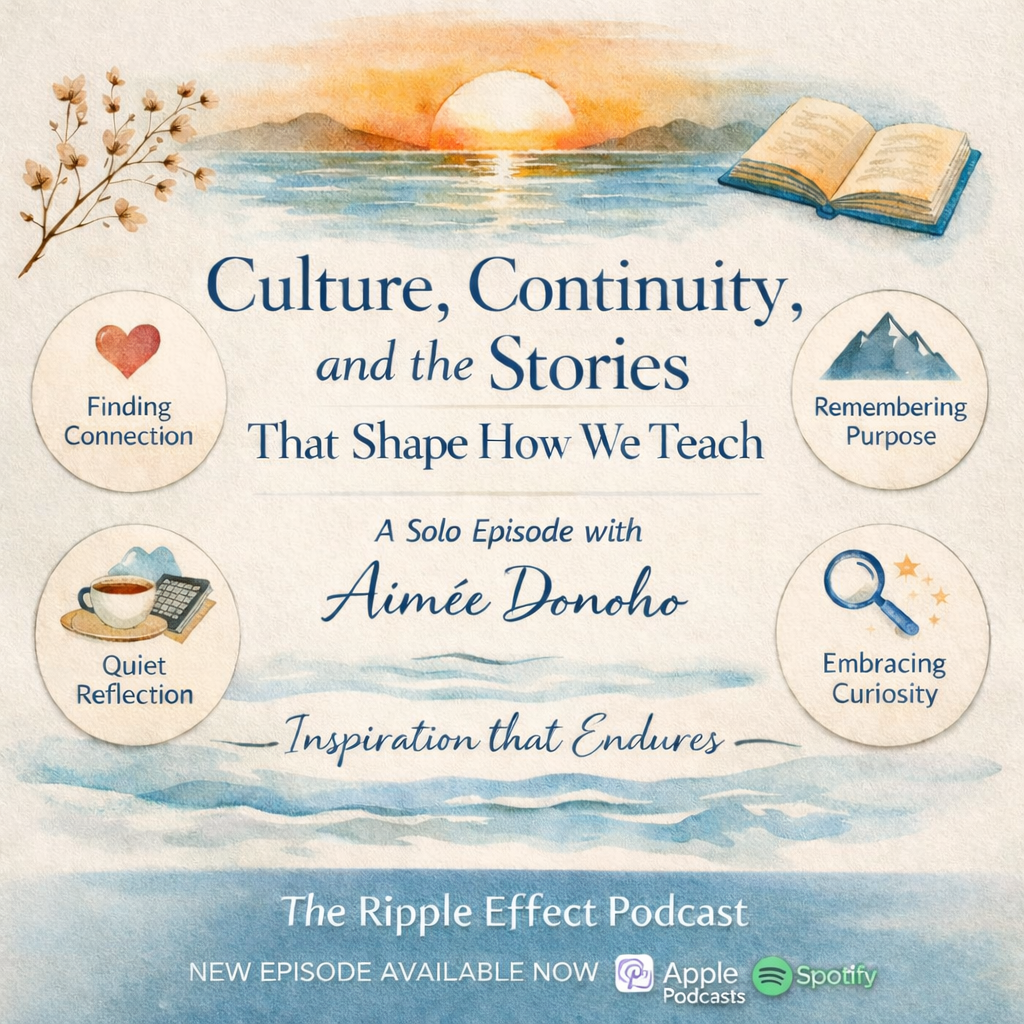
Module 8, Episode 1 - Culture, Continuity, and the Stories That Shape How We Teach
April invites a quieter kind of reflection.
As the school year continues, many educators are still showing up, but with a different kind of energy. This episode explores what it means to pause, reconnect, and return to what still feels meaningful.
Rather than pushing forward, this is a moment to notice:
What still matters?
What still brings you back to life in your work?
In This Episode
Why inspiration is not something you chase, but something you remember
How culture lives in the way we teach, respond, and connect
The power of small, everyday moments in sustaining meaning
Letting go of the idea that your story needs struggle to matter
Different pathways to inspiration: connection, meaning, beauty, rest, and curiosity
A gentle invitation to reconnect with what is already present in your day
Key Takeaway
Inspiration is already happening.
It lives in small moments, student interactions, conversations, presence, and care. When we slow down enough to notice, we begin to reconnect with the meaning that brought us to this work in the first place.
Reflection
What is already bringing you a sense of connection or meaning right now?
Which pathway feels most available to you, connection, meaning, rest, beauty, or curiosity?
What is one small way you can move toward that this week?
Closing Thought
Teaching is continuity.
We carry what shaped us and pass it forward—not through perfection, but through presence.
And when you reconnect to what inspires you,
you don’t just change your experience,
you change the experience of every student in front of you.
That is the ripple.
🎧 Listen to the Episode on Spotify
🎧 Listen to the Episode on Apple Podcasts
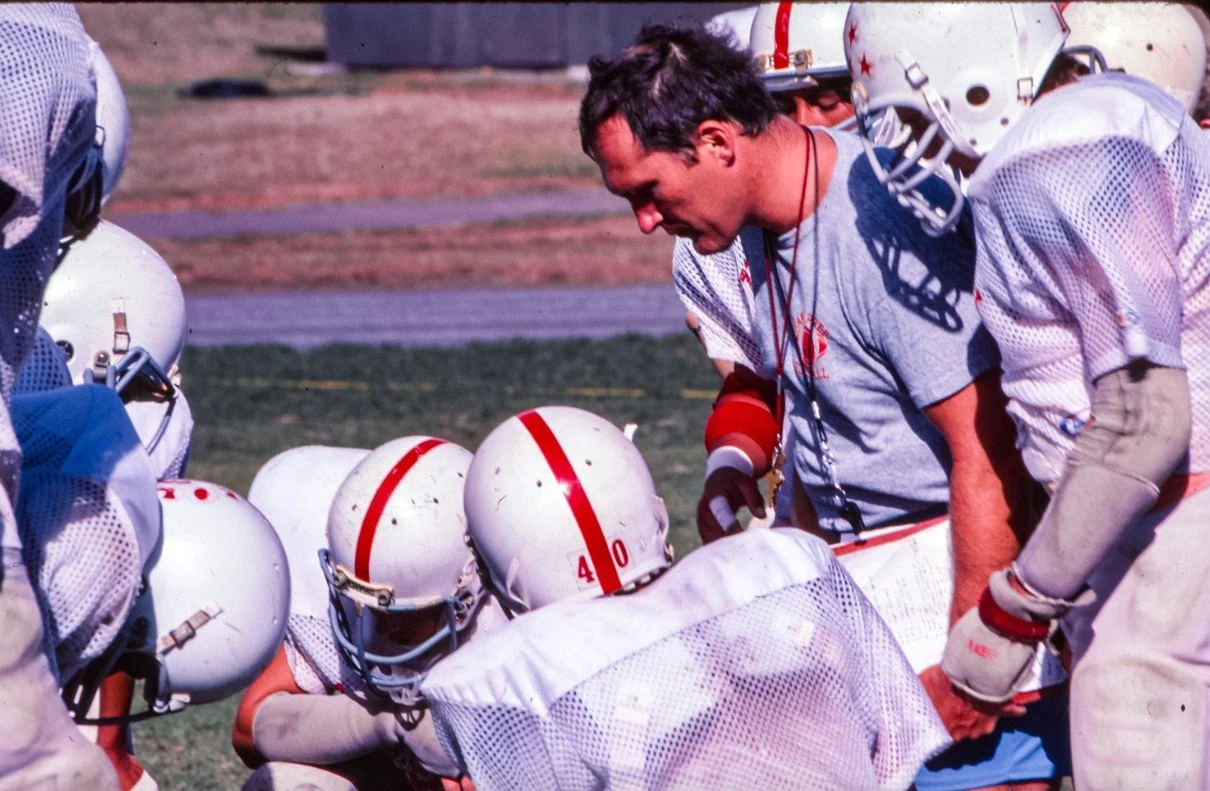
Module 8, Episode 2 - A Life That Teaches: Wisdom from a Legacy Educator
A Conversation with Dr. Gordon Bryson
April is a time in the school year when many educators begin to feel both the weight of the work and the quiet question underneath it: What still matters?
In this deeply personal conversation, Aimee Donoho sits down with Dr. Gordon Bryson, a longtime educator, coach, and school leader whose impact has shaped generations of students, families, and colleagues.
For Aimee, this conversation is also a reflection on mentorship and belonging. Dr. Bryson not only taught and coached her family—he was also a steady presence in her early years of teaching, offering the kind of support that helps educators find their footing and trust themselves in the classroom.
His legacy is not defined by titles or years of service, but by the relationships he built and the lives he continues to influence.
What This Conversation Explores
This episode invites listeners to step back from the day-to-day demands of teaching and consider the long view:
What draws someone into a life in education
How meaning and inspiration can be sustained over time
The role of relationships in shaping both students and educators
What it means to support teachers as whole human beings
How creativity and curiosity evolve across a career
Wisdom for educators navigating fatigue, doubt, or transition
A Reflection for Educators
Inspiration in teaching is not always something we feel.
Sometimes, it is something we remember.
Sometimes, it is something we build through relationships.
And sometimes, it becomes visible only over time, through the lives we’ve touched.
This conversation is an invitation to pause, reflect, and reconnect with the deeper meaning of your work.
Closing Thought
The impact of an educator is rarely immediate, and often immeasurable.
But when teachers feel seen, supported, and connected to purpose, their influence extends far beyond the classroom.
That is the ripple.
🎧 Listen to the Episode on Spotify
🎧 Listen to the Episode on Apple Podcasts
Module 8, Episode 3 - The Long View of Care: Sustaining Meaning in Helping Professions
A Conversation with Lorraine Freedle
Overview
April can be a complex time for educators. The energy of the beginning of the year has faded, and the end is not quite in reach. Many find themselves still showing up, but with a different kind of energy, one that calls for reflection rather than momentum.
In this episode of The Ripple Effect: Helping Teachers Thrive, Aimee sits down with therapist, educator, and author Dr. Lorraine Freedle to explore what it means to sustain care, creativity, and identity over time.
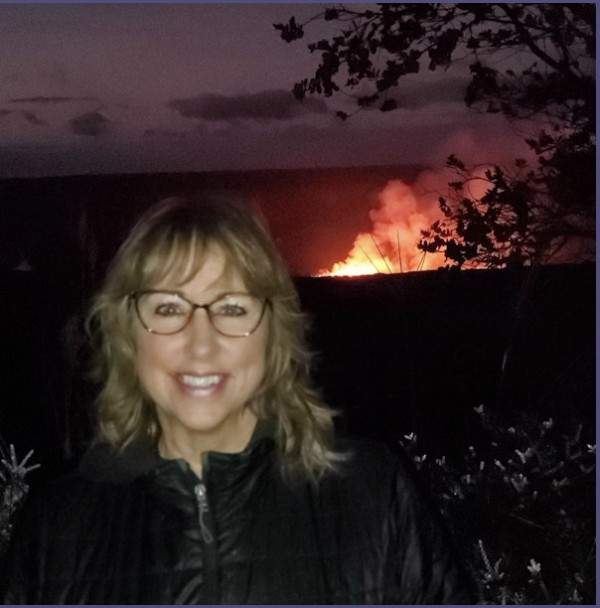
Through the story of the 2018 Kīlauea eruption, Lorraine offers a powerful reframe: that even in moments of disruption, fatigue, and uncertainty, something meaningful may still be unfolding.
This conversation invites educators to move beyond simply “getting through” this time of year, and instead begin to notice what is emerging within it.
Key Themes
Creation and Destruction Can Coexist
Using the metaphor of Pele, the Hawaiian goddess of fire, Lorraine reminds us that destruction and creation are not separate processes. What feels like loss or exhaustion may also be making space for something new.
Leaning Into the Experience
Rather than rushing through difficult seasons, this episode explores what it means to pause, reflect, and engage with the moment more fully. When we create space for reflection, even overwhelming experiences can become meaningful.
Tending the Inner Fire
Caring for others requires energy, presence, and emotional investment. Over time, this can become depleting if we are not also tending to ourselves.
This episode introduces a simple but powerful reflection:
Are we keeping our inner fire burning in a way that sustains us?
Or are we letting it burn out—or burn out of control?
From Fatigue to Creativity
Through journaling, storytelling, and even filmmaking, Lorraine and her colleagues transformed a season of crisis into a space of connection and creativity. This serves as a reminder that expression can be part of healing.
Sustaining a Life of Care
Teaching and caregiving are not short-term efforts—they are lifelong practices. Sustaining them requires more than effort. It requires reflection, alignment, and the willingness to evolve over time.
Reflection
Take a moment to pause and consider:
What is being born in my life right now?
Resources & Further Exploration
If this conversation resonated with you, you are invited to explore Lorraine’s work more deeply:
Closing Thought
Inspiration does not always arrive as energy or motivation.
Sometimes, it arrives as wisdom, quietly, over time.
And even in moments of uncertainty or fatigue, something meaningful may still be unfolding.
That is the ripple.
🎧 Listen to the Episode on Spotify
🎧 Listen to the Episode on Apple Podcasts
Module 9, Episode 1 - To the Teachers Who Showed Up: A Season of Care, Renewal, and Restoration
Episode Overview
As the school year comes to a close, this episode offers a moment to pause, breathe, and honor what we’ve carried. This is not a recap. It’s a space to acknowledge the time, energy, and care we’ve given—often in ways that go unseen. Throughout this season of The Ripple Effect, we explored awareness, self-compassion, reconnection, inspiration, and sustainable care. And through every conversation, one truth remained clear: The way educators show up matters. This closing episode invites us to slow down long enough to notice what this year has asked of us, not only professionally, but emotionally and personally as well. Together, we explore: the quiet moments that mattered the emotional labor educators carry self-regulation as modeling releasing what no longer needs to be held and stepping into summer with intention, restoration, and care
In This Episode
Showing up through a full and demanding school year. The invisible work educators carry every day. The power of being seen by a teacher, mentor, or guide. Emotional regulation and repair in relationships. Letting go of perfection and unfinished expectations. Why rest is necessary, not earned. Reconnecting with joy, creativity, and identity outside of productivity. Creating a summer rooted in restoration instead of pressure.
Summer, Rest, and Reconnection
One of the central themes of this episode is the idea that summer does not have to become another season of performance. Many educators move directly from exhaustion into productivity: professional development, planning, curriculum work, summer teaching, or constant preparation for the year ahead. But this conversation gently asks another question: What would it feel like to truly rest? What would it feel like to reconnect with parts of ourselves that may have been set aside during the school year?
A Note of Gratitude
This episode also honors the educators, therapists, leaders, and storytellers who shared their voices throughout this season, with honesty, wisdom, and care. And to the educators listening: Thank you. Thank you for continuing to show up in a profession that asks so much. For the emotional presence. For the unseen preparation. For the moments of repair. For the countless ways you continue to hold space for others. And also—thank you for the moments you chose to care for yourself. Even if they were small. They mattered.
Closing Thoughts
We showed up. Not perfectly. Not always with certainty. But with care. And maybe that matters more than we fully realize. As we move into summer, we do not have to carry everything with us. We can rest. We can reconnect. We can choose what stays.
Resources & References
“How Can Educators Make the Most of Their Summer Break?” — My Wellness Verse“
How to Use Summer to Re-Energize Your Teaching and Yourself” — Truth for Teachers by Angela Watson
🎧 Listen to the Pilot on Spotify
🎧 Listen to the Pilot on Apple Podcasts
Stay Connected
If this episode resonated with you, consider sharing it with another educator, counselor, administrator, or support professional who may need this reminder right now. Because when educators care for themselves, that care ripples outward into classrooms, relationships, schools, and communities.

Awareness Begins Within
Season Two • Module One: Awareness • Episode 1
Episode Overview
Educators spend their days noticing others. But awareness also asks us to turn that attention inward.
In this opening episode of Season Two, Aimée explores how noticing our thoughts, emotions, nervous system, and patterns can create a small but powerful space between reaction and response.
And within that space is choice.
We may not control what happens around us, but awareness can help us become more intentional about how we respond—and how we want to show up.
Your Ripple Reflection
How am I showing up?
How do I want to show up?
Not with judgment. Not with pressure. Simply with curiosity.
References & Resources
Tammy Helfrich — “How You Show Up”
A reflection on intentionality and how we choose to show up in our lives.
Read “How You Show Up”
Daniel J. Siegel — Mindsight: The New Science of Personal Transformation
Awareness, reflection, and our capacity to observe our internal experiences.
Richard J. Davidson & Sharon Begley — The Emotional Life of Your Brain
Emotional patterns and the brain’s capacity for change.
Awareness gives us the opportunity to notice. Noticing creates space. And within that space, we may discover choice.
That’s the ripple.
🎧 Listen to the episode on Spotify
🎧 Listen to the episode on Apple Podcasts
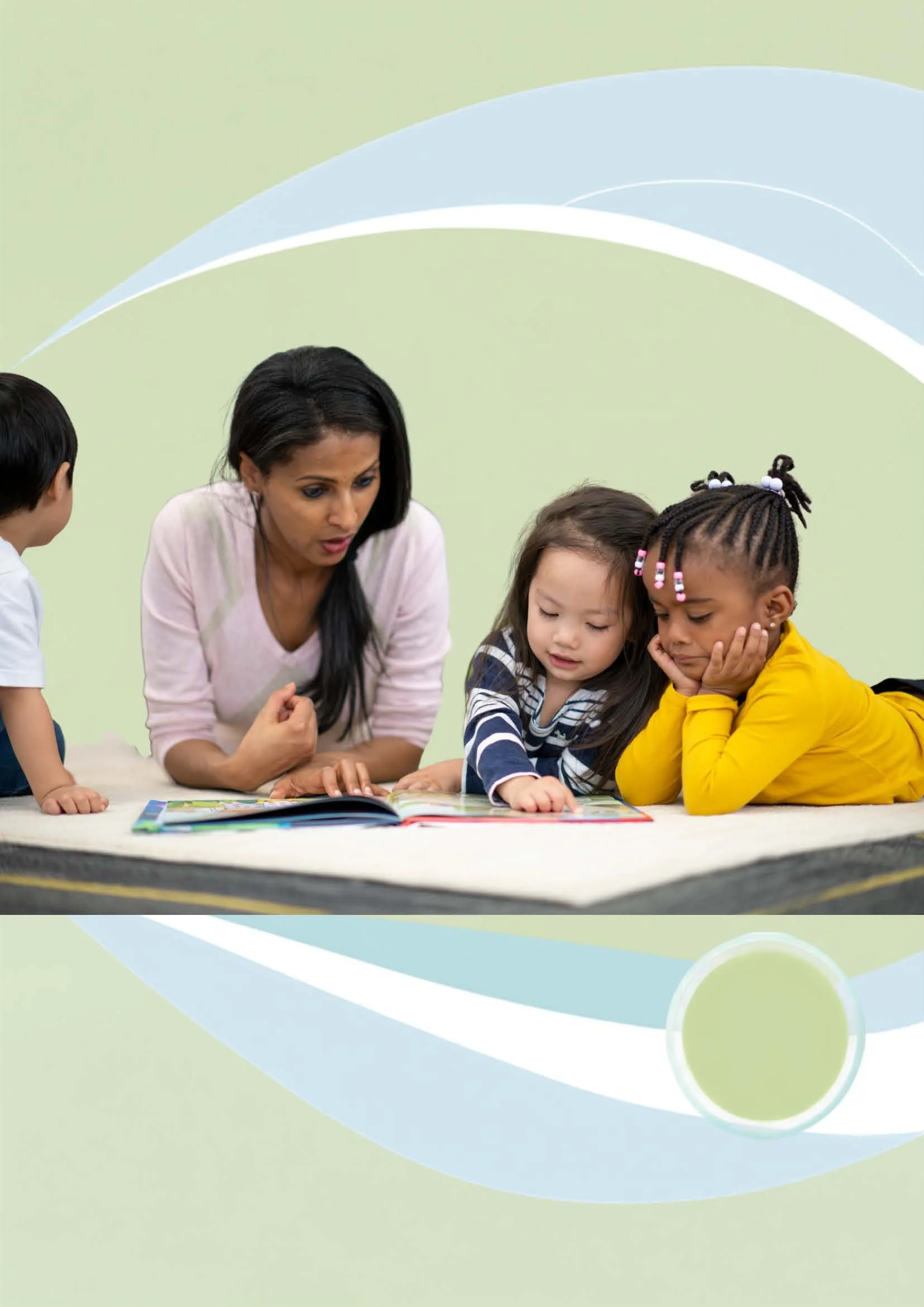
What We Don’t See
Season Two • Module One: Awareness • Episode 2
Episode Overview
What if the behavior we see is only part of the story?
In this episode of The Ripple Effect: Helping Teachers Thrive, Aimée Donoho is joined by Dr. Scott Cohen, a physician who spent more than three decades caring for children and families and whose work now focuses on ADHD and lifestyle health.
Together, they explore Awareness from both sides of the classroom: what may be happening beneath a student's behavior—and what may be happening within the educator who is responding to it.
Scott shares an important perspective from his years working with children and families: challenging behavior can sometimes reflect an unsolved problem that a young person may not yet understand or know how to communicate.
But this conversation is intentionally teacher-centered.
What happens to our own attention, patience, emotional regulation, and ability to remain curious when we are tired, hungry, overstimulated, stressed, or depleted?
And what becomes possible when we begin to recognize that activation before our automatic response takes over?
Aimée and Scott explore the small but meaningful space between reaction and response—not as another expectation for teachers to meet, but as a practice of awareness and self-compassion.
They also discuss the physical foundations we often underestimate during busy school days, including sleep, nourishment, movement, stress, and restorative practices, and how caring for the educator's brain and body can support overall well-being.
This episode is not about becoming perfectly calm.
It is not about asking teachers to diagnose their students.
And it is certainly not another wellness checklist.
It is an invitation to notice.
To notice what is happening within us.
To become curious about what we may not see in someone else.
And perhaps to create just enough space for a different response.
The conversation closes with a question at the heart of The Ripple Effect:
Who was the teacher who made you feel seen?
Because sometimes what stays with us isn't the lesson a teacher taught.
It's the experience of being seen.
In this episode:
Looking beneath behavior without becoming the clinician
ADHD and the struggles that aren't always visible
What chronic stress and overload can do to the educator's brain and body
Recognizing early signs of depletion
The space between being triggered and responding
Sleep, nourishment, movement, and educator well-being
Awareness without judgment
Why calm isn't necessarily the goal
The lasting power of making a young person feel seen
About Dr. Scott Cohen
Dr. Scott Cohen is a physician with more than three decades of experience in pediatrics. His current work focuses on ADHD and lifestyle health, supporting children, teens, and families through everyday foundations of well-being - including nutrition, restorative sleep, physical activity, meditation, and other lifestyle practices.
🎧 Listen to the episode on Spotify
🎧 Listen to the episode on Apple Podcasts
Stay Connected
If this episode resonated with you, consider sharing it with another educator, counselor, administrator, or support professional who may need this reminder right now. Because when educators care for themselves, that care ripples outward into classrooms, relationships, schools, and communities.
💌 Subscribe for updates & resources
🌐 Connect with Us
🌸 Website:www.therippleeffect.io
📸 Instagram:@rippleeffect.teachers
💙 Facebook:The Ripple Effect Podcast
🔗 Linktree:linktr.ee/rippleeffect.teachers
Disclaimer
The content shared on The Ripple Effect: Helping Teachers Thrive is for educational and informational purposes only. It is not intended as a substitute for therapy, counseling, medical advice, or mental health treatment. If you or someone you know is in crisis, please contact a licensed mental health professional or call 911 immediately. Always seek the guidance of a qualified provider with any questions you may have regarding your mental or emotional health.

